DrumDash - Learn Drums Online
The Ultimate Customizable Drumming Game for All Skill Levels — Take Your Drumming to the Next Level with DrumDash!
Whether you're a complete beginner picking up sticks for the first time or an experienced drummer looking to master new techniques, DrumDash is the revolutionary drum learning game that adapts to your skill level and musical preferences. Unlike traditional drum training software, DrumDash lets you learn by playing the music you love.
What Makes DrumDash Different?
DrumDash combines cutting-edge AI technology with an engaging music game format to create the most intuitive drum learning experience available. Instead of practicing boring exercises or pre-made charts, you can import virtually any song and start playing along immediately. Our intelligent AI-powered system automatically generates drum charts at multiple difficulty levels tailored to each track, making every song a learning opportunity.
🎵 Play Any Song You Want
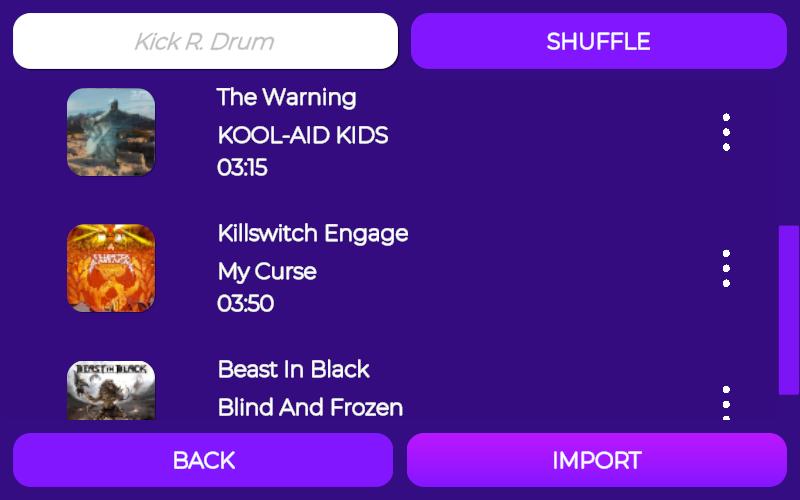
One of DrumDash's most powerful features is the ability to import your own music. You can:
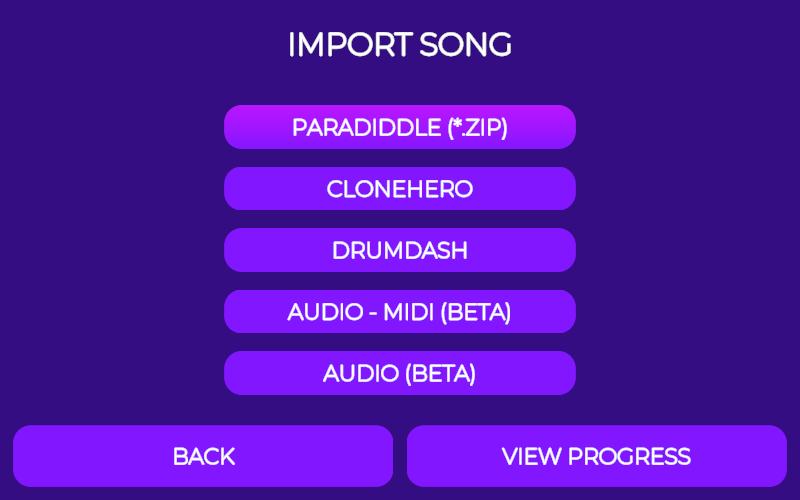
- Import MIDI Files: Bring in MIDI data from your favorite songs or export MIDI from your DAW to create custom drum charts adapted to any musical style
- Import Audio Files: Play along with MP3s, WAV files, and other audio formats — perfect for learning songs that don't have MIDI versions available
- Import Paradiddle Patterns: Advanced users can import complex drum patterns and paradiddle sequences to master intricate techniques
- Create Custom Charts: Design your own drum sequences and share them with the community
This flexibility is what sets DrumDash apart from other drum games and training software — you're never limited to a pre-recorded library of songs.
🤖 AI-Generated Difficulty Levels
Our advanced AI engine analyzes the drum patterns in your chosen track and generates difficulty variations automatically:
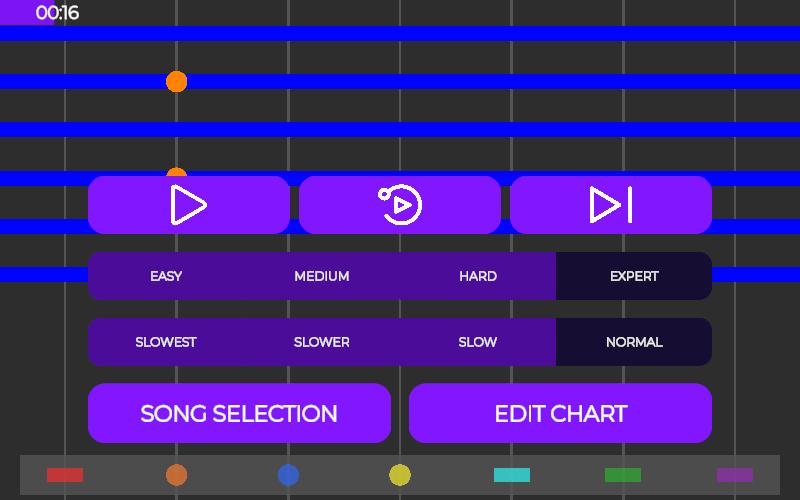
- Easy: Perfect for beginners — simple, fundamental drum patterns to build foundational rhythm skills
- Normal: Intermediate level — introduces more complex patterns and faster tempos for developing technique
- Hard: Advanced level — challenging patterns that require solid stick control and rhythm awareness
- Expert: Expert level — intricate patterns, rapid-fire notes, and complex drum fills that push your limits
The AI learns from your playing style and adjusts patterns to match your current ability, ensuring you're always challenged but never frustrated.
🎧 Multiple Play Modes
DrumDash offers flexible learning modes to suit different practice goals:
- Play with Full Audio: Jam along with the complete mix of the song, including all instruments. This is perfect for matching your drum playing to the overall groove and feeling of the track
- Drumless Playback: Practice with the drums removed from the mix. This helps you develop independence and learn to lock in with the bass and other rhythm instruments
- Click Track Only: Focus on timing and rhythm with just a simple metronome click — ideal for working on rhythm precision without musical distractions
- Isolated Drums: Listen to only the drums to study professional drum patterns and techniques
🥁 Customize Your Drum Kit
Choose how you want to play:
- On-Screen Drum Kit: Use your mouse, touchpad, or touch screen to tap drum pads. Great for casual play or practicing on laptops
- Electronic Drum Pads: Connect USB drum pads, electronic drum kits, or MIDI controllers for authentic stick control
- Real Drum Kit: Use an actual acoustic or electronic drum kit with adjustable pad layout to match your setup
- Customizable Layouts: Arrange your drum pads however you like — standard 4-piece kits, expanded 8-piece setups, or custom configurations
DrumDash's flexible input system means you can practice effectively whether you're at a concert venue with a full kit or learning at home with just a laptop.
📊 Track Your Progress
Monitor your improvement with detailed performance metrics:
- Accuracy Scoring: See how precisely you're hitting each note on time
- Consistency Analysis: Track your timing accuracy and detect patterns in where you typically rush or drag
- Session Statistics: Review playstyle data including notes hit, streak records, and overall performance trends
- Achievement Badges: Unlock badges for reaching milestones and mastering challenging songs
💪 Features for Every Drummer
For Beginners: Start with simple songs at easy difficulty. Learn basic drum patterns, develop stick control, and build confidence before moving to more complex material.
For Intermediate Players: Challenge yourself with normal and hard difficulties. Learn to read complex patterns, improve your feet coordination, and develop your unique drumming style.
For Advanced Drummers: Master expert-level charts, work on speed and precision, and use DrumDash to learn new songs quickly. Many professional drummers use DrumDash to prepare for gigs and learn cover songs.
🌍 Practice Anywhere, Anytime
DrumDash is available across multiple platforms:
- Web Version: Play directly in your web browser on Windows, Mac, or Linux — no installation needed
- Mobile Version: Download the Android app for on-the-go practice with touch controls or connected MIDI devices
- Cross-Platform Saves: Your progress and custom songs sync across all devices
🎯 Why Choose DrumDash for Drum Learning?
Traditional drum lessons and software can be expensive and inflexible. Drum games often limit you to their catalog. DrumDash breaks these limitations:
- Unlimited Song Library: The only limit is your music collection — import any song you want to learn
- Adaptive Learning: AI adjusts to your skill level, ensuring optimal challenge and progression
- Fun & Engaging: Learn while playing the music you love — practice never felt like this much fun
- Affordable: Get professional-quality drum training without the price tag of private lessons
- Flexible Input: Play on your terms with laptop controls, electronic pads, or your real drum kit
- Community Driven: Share your progress, music collections, and custom charts with other drummers worldwide
🚀 Getting Started with DrumDash
Start your drumming journey in just three simple steps:
- Step 1: Open DrumDash in your browser or download the mobile app
- Step 2: Import your favorite song (MIDI, audio file, or choose from preloaded options)
- Step 3: Select your difficulty level and start playing — the game handles the rest!
📱 Available on Mobile
DrumDash is also available as a full-featured Android app! Take your drum practice anywhere with the mobile version. The app includes all the features of the web version plus optimizations for touch controls and mobile device sensors.
🎓 Learning Drum Fundamentals with DrumDash
Drumming is about more than just hitting drums in time — it's about developing feel, musicality, and technical skill. DrumDash helps you master all of these aspects:
Rhythm & Timing: Develop an internal metronome and learn to lock in with the beat. The game's feedback system immediately shows you if you're rushing or dragging.
Coordination: Practice independent limb control by playing complex patterns that require different drum voices simultaneously.
Listening Skills: Train your ear to identify drum patterns and understand music structure.
Speed & Precision: Gradually build hand speed and accuracy by progressing through difficulty levels.
Musicality: Learn how to play with dynamics, feel, and taste by studying professional drum patterns and interacting with full mixes.
💡 Tips for Maximum Learning with DrumDash
- Start Slow: Don't jump to expert mode. Build a solid foundation with easy and normal difficulties first
- Mix Your Practice: Combine different play modes — use drumless practice to develop independence, then full mix to check feel
- Play Regularly: Consistent practice (even 30 minutes daily) yields better results than occasional long sessions
- Study the Charts: Take time to understand drum patterns before trying to play them at speed
- Use the Right Equipment: Invest in quality drum pads or equipment for better technique development
- Record Yourself: Use your device's recording features to listen back and identify areas for improvement
- Challenge Yourself: Once you master a song, try the next difficulty level
🎤 Join the DrumDash Community
DrumDash isn't just about individual practice — it's about being part of a global community of drummers. Share your achievements, discuss techniques, suggest songs, and support other drummers on their learning journey.
🔒 Safe & Privacy-Focused
Your privacy and safety are paramount. DrumDash respects your data, doesn't require personal information for gameplay, and provides transparent privacy policies. Learn more about how we protect your information in our comprehensive Privacy Policy.
❓ Frequently Asked Questions
Q: Do I need to know how to play drums to use DrumDash?
A: No! DrumDash is designed for absolute beginners. Start with the easy difficulty level and gradually progress as you develop skills.
Q: Can I use DrumDash without a drum kit?
A: Absolutely! The on-screen drum pads work with your mouse, keyboard, or touchscreen. You can add external equipment later as you progress.
Q: What formats can I import?
A: DrumDash supports MIDI files, standard audio formats (MP3, WAV, OGG), and paradiddle patterns.
Q: Is my progress saved between sessions?
A: Yes! All your achievements, custom settings, and practice history are saved automatically.
Q: Can I play multiplayer?
A: Currently, DrumDash features single-player gameplay. We're exploring multiplayer features for future releases.
Start Your Drumming Journey Today! Whether you dream of playing in a band, making music covers, or simply enjoying the therapeutic joy of drumming, DrumDash is your gateway to mastering this incredible instrument. Download DrumDash now and transform the way you learn drums.
Complete Drum Education Hub
Understanding Drum Patterns and Notation
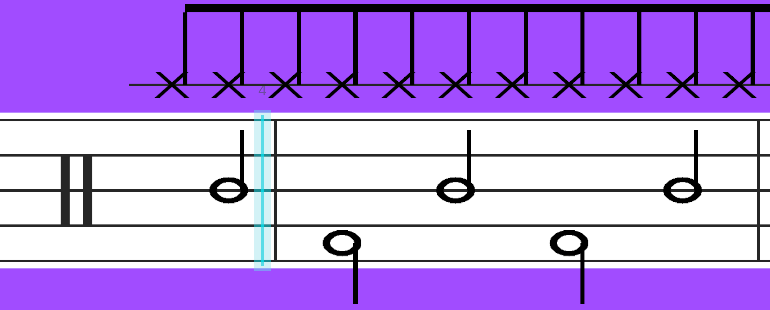
Drum patterns are the backbone of any song. Understanding how to read drum notation, recognize time signatures, and identify different drum fills is essential for any drummer. In DrumDash, you learn these concepts naturally by playing real songs:
- 4/4 Time Signature (Common Time): The most common drum pattern foundation used in rock, pop, hip-hop, and many other genres. Learning to lock into a 4/4 groove is the first step for any drummer.
- Kick Drum Patterns: The kick drum drives the rhythm. From simple quarter-note patterns to complex syncopated grooves, mastering kick patterns is crucial for timing.
- Hi-Hat Techniques: The hi-hat creates texture and pocket. Learning closed vs. open hi-hat patterns, ghost notes, and pedal control separates beginners from experienced drummers.
- Snare Techniques: The snare provides clarity and dynamics. Understanding backbeat placement, rim shots, cross-sticks, and ghost note work elevates your playing.
- Drum Fills: Fills are the moments where drummers show off their skills. Learning to identify fill patterns and knowing when to execute them is key to musicianship.
The Science of Rhythm and Timing
Professional drummers talk about "pocket" and "groove" - these are scientific concepts related to timing precision and dynamic feel. DrumDash's feedback system teaches these concepts:
Micro-timing: The difference between rushing and dragging - even by milliseconds - affects the feel of a groove. Professional drummers sit slightly behind the beat (playing with a "solid" feel) or slightly ahead (playing with a "driving" feel). DrumDash shows you exactly where your notes fall relative to the beat, helping you develop intentional timing.
Dynamic Control: Different drum hits need different volumes. Kick drums hit harder than hi-hats. Snare cracks louder than ghost notes. Learning dynamic control makes you sound professional and prevents fatigue from overplaying.
Swing and Shuffle Feels: Many genres use swing timing where triplet-based rhythms create a bouncy, jazz-influenced feel. Learning to play "in the pocket" with swing feels is a hallmark of an experienced drummer.
Drum Genres and Styles
Different music genres require different drumming approaches. DrumDash helps you master them all:
- Rock Drumming: Emphasizes strong kicks and snare with driving 8th-note hi-hat patterns. Legends like John Bonham and Matt Helders are known for powerful, simple grooves.
- Jazz Drumming: Features swing timing, ride cymbal work, and dynamic control. Jazz requires listening deeply to other musicians and playing conversationally.
- Funk Drumming: Built on syncopation and pocket playing. Funk drummers like Bernard Purdie pioneered "the Purdie Shuffle" and other rhythmic innovations.
- Pop Drumming: Focuses on clarity and groove consistency. Pop drumming might seem simple but requires precision and feel.
- Metal Drumming: Known for speed, double bass patterns, and aggressive sound. Metal drummers push technical limits with blast beats and double bass chains.
- Hip-Hop & Trap Drumming: Features off-beat hi-hats and boom-tap patterns. Producer/drummer collaboration is key in this genre.
- Latin Drumming: Incorporates complex polyrhythms and clave patterns. Genres like samba, mambo, and salsa require understanding of traditional percussion.
Physical Techniques and Muscle Memory
Drumming is a physical skill that requires proper technique to prevent injury and maximize performance:
Grip Techniques: The matched grip (both hands the same) is most common in Western drumming. German, French, and traditional grips exist but matched grip is standard. Proper grip reduces tension and allows for speed and control.
Stick Control: Bouncing techniques, rebound control, and stick height management are fundamental. Buddy Rich and other legends spent hours developing perfect stick control through exercises.
Foot Technique: Developing doubles on the kick drum (two hits per stroke) and left foot independence is what separates adequate drummers from great ones. Speed comes from relaxation and proper mechanics, not tension.
Posture and Setup: Proper drum kit height, seat positioning, and posture prevent repetitive strain injuries. Many drummers suffer from back and shoulder problems from improper setup.
Ergonomics and Injury Prevention: Understanding how to warm up, stretch, and cool down prevents injuries like tendonitis. DrumDash's varied play modes help you build strength gradually without overuse injuries.
Listening Like a Drummer
Great drummers are great listeners. They study:
- Groove Analysis: How does the kick drum sit relative to the bass? Where does the snare crack? How tight is the hi-hat pocket?
- Song Arrangement: How many beats does the intro have? When does the kick drum enter? How many bars before the drum break?
- Dynamic Curves: Does the song build intensity? When do drum fills occur? How does the drummer create tension and release?
- Genre Conventions: Why do rock songs have big snare cracks while funk songs use ghost notes? Understanding genre conventions helps you play authentically.
Building Your Drumming Foundation
Every professional drummer recommends the same core practices:
Rudiments: Drum rudiments are like scales for drummers. From the basic single stroke roll to complex flams and paradiddles, these are the building blocks of all drum technique. Learning 40 essential rudiments takes weeks but provides unlimited technique development.
Metronome Practice: Practicing with a click track (metronome) trains your internal timing and prevents rushing. Professional drummers practice with clicks for hours daily.
Song Learning: Learning complete songs, not just drums, is how real-world drumming works. You need to understand the song structure, dynamics, and arrangement.
Recording and Feedback: Recording yourself and listening back reveals timing issues and technique problems you can't hear while playing.
Drum Equipment Guide
Understanding different types of drum kits and equipment helps you practice effectively:
Acoustic Drum Kits: Traditional kits with drums that resonate resonators. They provide authentic feel but require soundproofing and are expensive.
Electronic Drum Kits: Perfect for practice and recording. Modern electronic kits sound realistic and allow headphone practice. They connect to USB for DrumDash compatibility.
Practice Pads and Drum Machines: Affordable entry points for beginners. Pads provide feedback without needing a full kit.
MIDI Controllers: Laptop-based drummers use MIDI controllers to play games like DrumDash. They range from simple USB pads to professional controllers.
Drumming Health and Longevity
Taking care of your body ensures you can drum for life:
- Warm-up Routines: 10-15 minutes of warm-up prevents injury and improves performance.
- Strength Training: Core strength and arm conditioning support technical development.
- Flexibility Work: Stretching reduces tension and prevents repetitive strain injuries.
- Rest and Recovery: Practicing 5-6 days a week with a day off prevents burnout and overuse injuries.
- Proper Equipment Setup: Adjusting your drum kit and throne to your body prevents pain and strain.
From Learning to Performance
Once you've mastered songs in DrumDash, you're ready for real performance:
Band Practice: The transition from solo practice to playing with others is crucial. You learn to listen to bass players, follow singers, and provide the rhythmic foundation.
Live Performance: Playing in front of audiences requires managing nerves, dealing with different acoustics, and adapting to the energy of the room.
Recording Sessions: Studio drumming is different from live playing. Click tracks, multiple takes, and overdubs are the norm.
Music Theory for Drummers: Understanding time signatures, chord progressions, and song structures helps you make better musical decisions.
Advanced Topics for Serious Drummers
Polyrhythms and Complex Time Signatures: Once you master 4/4, exploring 5/4, 7/8, and polyrhythmic patterns opens new creative possibilities.
Improvisation and Soloing: Developing the ability to create fills and solos on the fly is what separates professional session players from beginners.
Music Production and Drumming: Understanding how drums are recorded, processed, and mixed in production helps you make better artistic choices.
Composition and Arrangement: Creating original drum parts and understanding song arrangement is the mark of a complete musician.
Success Stories: Drummers Who Started With Games
Rhythm games like DrumDash have become a legitimate pathway to drumming skill. Many beginners start with games and progress to real instruments. The key is understanding that games are a tool - they provide immediate feedback, variety, and motivation that other learning methods can't match.
Your DrumDash Learning Path
Month 1-2 (Beginner): Focus on basic grooves in easy mode. Build stick control and comfort with the beat. Play songs you love to stay motivated.
Month 3-4 (Intermediate): Challenge yourself with normal difficulty. Start studying drum patterns and learning fundamentals. Experiment with different play modes.
Month 5-6 (Advanced): Tackle hard and expert modes. Start understanding why certain patterns work. Begin simplifying patterns to core elements.
Month 6+ (Expert): Master expert-level charts. Create original patterns. Start applying DrumDash skills to real drums or different genres.
The Drumming Journey Never Ends — Even professional drummers with decades of experience continue learning and evolving. DrumDash provides the tools and motivation to sustain that journey. Whether your goal is casual enjoyment, band performance, or professional mastery, DrumDash adapts to your ambitions and helps you achieve meaningful progress on the drums.